Get Answers Beyond "Normal" Lab Results

Receive a free analysis and personalized wellness protocol with every test kit order.

When you understand your lab tests... you understand your health!

The Most Common Food Intolerance Symptoms and How to Test for Them Without a Doctor

Could the foods you eat every day be contributing to symptoms you never suspected were food related? Hmm? 

Most people associate food reactions with obvious symptoms such as stomach pain, diarrhea, or hives. However, food intolerance symptoms are often much more subtle and can affect multiple systems throughout your body.

Many people spend years struggling with fatigue, bloating, headaches, skin issues, joint discomfort, brain fog, or stubborn weight concerns without realizing that certain foods may be contributing to how they feel.

The challenge is that food intolerance reactions are often “delayed.” Unlike an immediate food allergy, symptoms may appear hours or even days after eating a problem food, making it difficult to identify the connection without testing. 

What Is a Food Intolerance?

A food intolerance is different from a food allergy.

Food allergies typically involve an immediate immune response and may cause symptoms such as hives, swelling, or difficulty breathing.

Food intolerances are often delayed and can create symptoms that are more difficult to immediately connect to a specific food.

This is one reason so many people are surprised when they receive their food sensitivity results. 

The foods causing the biggest reactions are often foods they eat every day and have zero idea what it is doing to them. 

The Most Common Food Intolerance Symptoms

Food intolerance symptoms can vary significantly from person to person.

Some people experience digestive symptoms while others notice skin, energy, mood, cardiac, or inflammatory concerns.

Common food intolerance symptoms include:

Bloating

Many people assume bloating is normal.

It isn’t.

Frequent bloating after meals may be one clue that certain foods are not working well with your body.

Gas and Digestive Discomfort

Excess gas, abdominal discomfort, and digestive upset are among the most common food-related complaints.

Diarrhea or Constipation

Food reactions can sometimes affect bowel habits and digestive function. A food intolerance can slow down or speed up the digestive process leaving you backed up or running to find a restroom fast. 

Brain Fog

Difficulty concentrating, forgetfulness, poor focus, and feeling mentally sluggish are common complaints among individuals with food intolerances. Do you ever feel fine mentally and start eating your everyday meals and as the day goes on your energy and brain fog drop and so do you? 

Fatigue

One of the most overlooked food intolerance symptoms is fatigue.

Many people report improved energy after identifying and stoppipng foods that trigger immune responses. Even a healthy food like lettuce and lead to fatigue if you are intolerant to it. 

Headaches

Some individuals notice recurring headaches or migraines associated with specific foods. I hear alot from patients about pressure headaches after a person eats. It is remarkable when we adjust the daily diet based on their food intolerance test results and their headaches go away. 

Joint Discomfort

Food reactions may contribute to inflammation and discomfort throughout your body. 

Skin Problems

Eczema, rashes, itching, acne, and other skin concerns may sometimes be associated with food reactions. Peanut butter is the worst food intolerance for me, I start to feel those little acne bumps starting to show up under my skin. 

Sinus Congestion

Chronic congestion, post-nasal drip, or frequent throat clearing may be linked to food sensitivities. I have worked with many professional singers and they do food intolerance testing, adjust their diet and their singing improves. 

Mood Changes

Irritability, anxiety, and mood fluctuations are symptoms some individuals report when reacting to certain foods. I am sure you have heard of the gut-brain connection. Well, it is true, what you put in your gut, effects your brain or mood. 

Weight Loss Resistance

Many people become frustrated when they are eating healthy, exercising regularly, and still struggling to lose weight.

In some cases, ongoing food reactions may contribute to inflammation that makes progress more difficult. I had an athelete in my office once with this problem. They were eating very healthy. We did food testing and almonds were the #1 food reaction for her. She stopped eating almonds, and her weight came off. 

EXPLORE OTHER POPULAR TEST KITS

Why Food Intolerance Symptoms Are So Difficult to Identify

One reason food intolerances are challenging is that reactions are often delayed.

You may eat a food on Monday and not notice symptoms until Monday night, Tuesday or even Wednesday.

By then, most people never suspect the food they ate earlier in the week to be causing their symptoms. 

Another challenge is that people often react to foods they consider healthy. I have seen lettuce, peppers, almonds, apples, carrots and other healthy foods show up as toxic for some people. 

I frequently hear people say:

“But I eat that every day.” Yup, even a healthy food can be toxic to your body if it is a “reactive” food for you. 

In many cases, that is exactly why identifying food reactions can be so helpful.

Foods Commonly Associated With Food Intolerance Symptoms

While everyone’s results are unique, some commonly reactive foods include:

  • Dairy
  • Wheat
  • Gluten-containing foods
  • Eggs
  • Soy
  • Corn
  • Nuts 
  • Grains 

What surprises many people is that there is no universal “good” or “bad” food.

A food that works well for one person may create significant symptoms for another.

How People Feel After Discovering Their Food Reactions

One of the most rewarding moments is when someone finally receives answers after years of guessing about what to eat. 

Many people tell me they feel relieved.

Because they finally understand why they have been feeling the way they do. And they have a simple way to feel better. 

They no longer have to wonder whether a food may be contributing to their symptoms.

They have real information that can help guide better dietary decisions.

Many people describe feeling empowered because they can stop guessing and start making informed choices.

Why Testing Can Be Helpful

Food journals and elimination diets can sometimes provide helpful  information.

However, they can also be time-consuming, frustrating and not 100% accurate.  

Testing can provide additional insight into foods that could be contributing to symptoms.

The purpose of food intolerance testing is not to diagnose disease.

Instead, it provides dietary guidance that may help individuals better understand how certain foods interact with their body.

For many people, testing offers a starting point that can help simplify the process of making dietary adjustments.

Understanding Food Intolerance Testing

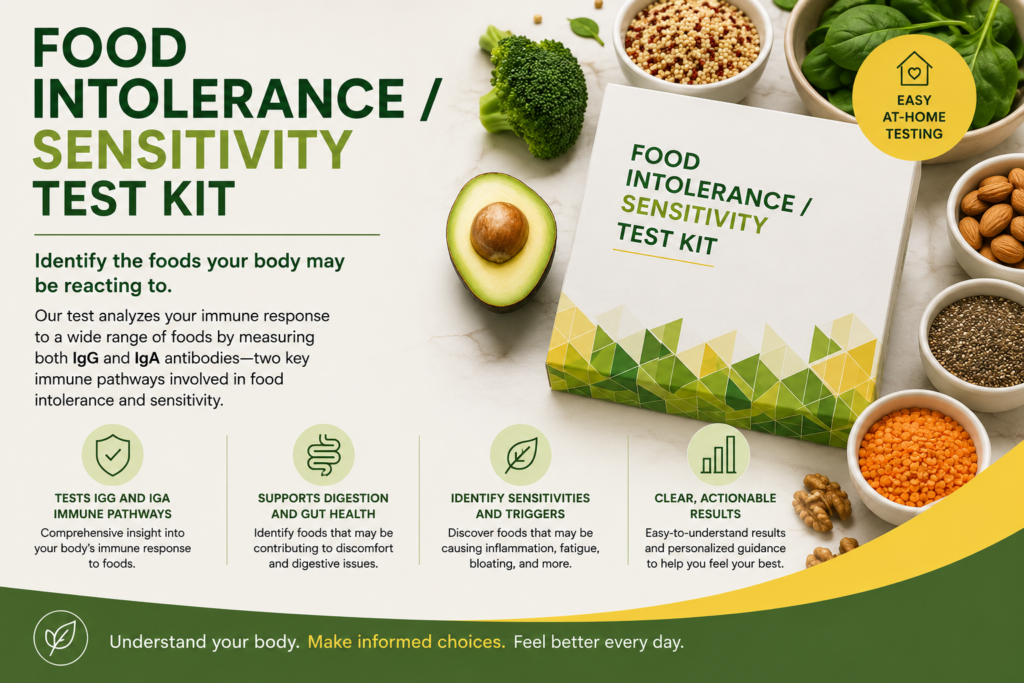
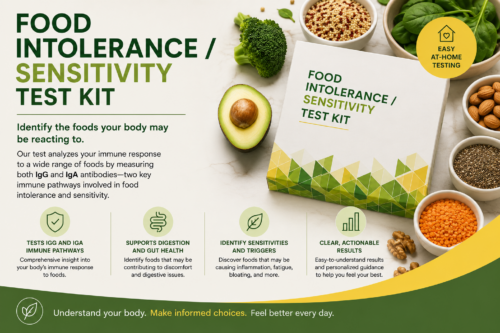
Our Food Intolerance Test evaluates both IgG and IgA immune reactions to 94 common foods.

This dual-pathway approach provides a broader look at potential food reactions than testing a single pathway alone.

The test can be completed at a lab near you and does not require a doctor visit to place an order. Once you order a test we email you a facility near you that will draw your blood. 

Many people appreciate having the ability to explore possible food reactions on their own timeline. 

Final Thoughts

Food intolerance symptoms can affect far more than your digestion.

Bloating, fatigue, headaches, brain fog, skin issues, joint discomfort, congestion, mood changes, immune challenges, neurologic symptoms, and weight loss resistance may all be clues worth exploring.

If you have been struggling with symptoms that do not seem to make sense, food reactions may be one piece of the puzzle.

For many people, the greatest benefit is not simply discovering which foods may be contributing to symptoms.

It is finally having answers.

When you understand how your body responds to certain foods, you can make more informed choices, reduce the guesswork, and feel more confident about the foods you choose to eat.

AUTHOR: Alane Wincek, ND, CNC Doctor of Naturopathy | Certified Nutrition Counselor Founder, Nutritionally Yours Health and Wellness Center

EXPLORE OTHER POPULAR TEST KITS