Mold sickness symptoms are often overlooked because they can develop gradually and resemble many other common health concerns.
You notice it in the shower first.
Then in your brush.
Then on your pillow.
Eventually, you find yourself standing in front of the mirror, looking at your scalp and wondering:
“Is my hair really getting thinner?”
For many women, hair loss is more than a cosmetic concern.
It can affect confidence, self-esteem, social interactions, and even how we feel about ourselves each day.
One of the hardest parts is not knowing what causes thinning hair.
You may have changed your shampoo.
You may have tried a better conditioner.
You may have blamed years of hair coloring.
You may have purchased expensive hair products that promised thicker, healthier hair but didn’t deliver.
You may have even been told that hair loss is simply part of getting older.
Not necessarily.
But what if there is more to your hair story?
What if your body is trying to tell you something?
One of the most overlooked causes of thinning hair is a hair loss vitamin deficiency. Low levels of essential vitamins and minerals can contribute to excessive shedding and reduced hair growth in both women and men.
The good news is that nutritional deficiencies can often be identified through testing instead of guesswork, helping you better understand the possible root cause of your hair loss.
Absolutely.
Your hair is not considered essential for survival.
When your body is under stress or lacking important nutrients, it prioritizes vital organs and systems first.
As a result, hair growth may slow down, hair strands may become weaker, and shedding may increase.
In some cases, the first sign of a nutrient deficiency may actually be changes in your hair. Your hair is the 2nd largest tissue in your body next to your skin being #1.
This is one reason many women begin searching online for:
One of the most common nutrient deficiencies associated with hair loss is iron deficiency.
Even women who are not technically anemic may have ferritin levels that are less than optimal for healthy hair growth.
Low iron stores may contribute to:
Many women are surprised to learn that their ferritin levels have never been evaluated properly. Plus Certain B vitamins—specifically Vitamin B6, Vitamin B9 (Folate), and Vitamin B12—are essential for iron metabolism and red blood cell production.
Vitamin D plays an important role in your hair follicle health.
Low vitamin D levels have been associated with various types of hair thinning and hair shedding.
In addition to hair concerns, low vitamin D may also contribute to:
Many people supplement vitamin D without ever testing their actual cellular levels. A “static” test which is what people normally get, is not good enough.
Vitamin B12 helps support healthy red blood cells and cellular energy production.
Low B12 levels may contribute to:
Because B12 plays a role in oxygen delivery throughout the body, including your hair, deficiencies may affect rapidly growing tissues such as your hair.
Folate works closely with vitamin B12 and supports healthy cell growth.
Low folate levels may contribute to:
Zinc is one of the most important minerals involved in healthy hair growth. It is also my favorite “beauty” mineral.
Low zinc levels may contribute to:
Many people do not realize that zinc deficiency can affect both your scalp andyour hair growth cycle.
Hair is primarily made of protein.
If your body lacks sufficient amino acids and protein building blocks, healthy hair growth may become difficult.
This is particularly important for women who:
Additional nutrients that may play a role in your hair health include:
This is one reason taking random supplements is not the best idea. Buying products to just “try” them is not going to work.
You may be guessing at what your body needs rather than identifying the actual deficiency which is so much smarter.
Many women invest considerable time and money trying to improve their hair health. They may try specialized shampoos, conditioners, collagen products, hair supplements, scalp treatments, or the latest social media recommendations.
While some of these approaches can be helpful, they often focus on the hair itself rather than understanding why the hair loss started in the first place.
One reason hair loss can be frustrating is that there is rarely a single cause.
For one woman, low iron stores may be contributing to excessive shedding.
For another, low vitamin D, vitamin B12, zinc, or other nutrient deficiencies may be involved.
For someone else, thyroid imbalances, hormone fluctuations, inflammation, stress, or a combination of factors may be affecting healthy hair growth.
This is why testing can be so valuable. Instead of guessing which nutrient or imbalance may be contributing to hair loss, testing allows you to gather information about what your body may actually need.
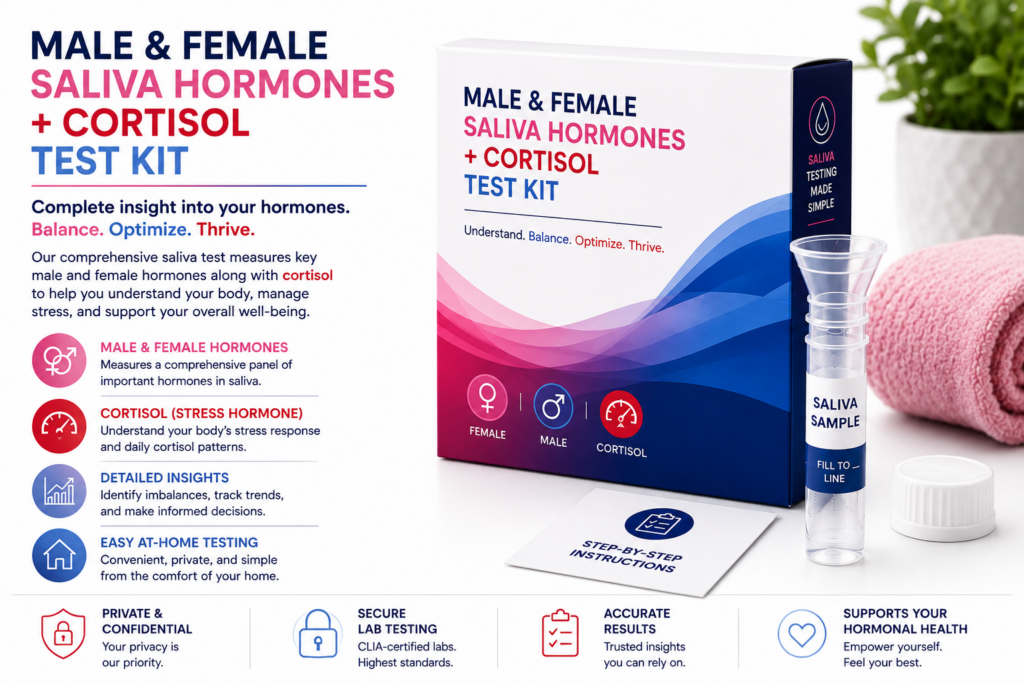
In my practice, when a patient is experiencing hair loss, thinning hair, or excessive shedding, I often look at several areas that can influence hair growth. This may include intracellular vitamin and mineral testing, hormone saliva testing, and comprehensive metabolic blood work.
Not everyone chooses to do all testing at once, and that’s perfectly fine. Many patients start with one area, gather information, and build from there over time.
The goal is to better understand why your hair loss is occurring so that decisions or protocols can be based on information rather than guesswork.
If you are struggling with hair thinning, excessive shedding, or changes in hair quality, you do not have to simply accept it as part of aging.
A hair loss vitamin deficiency may be one piece of the puzzle.
Testing can help remove the guesswork and provide valuable information about the nutrients your body needs for healthy hair growth.
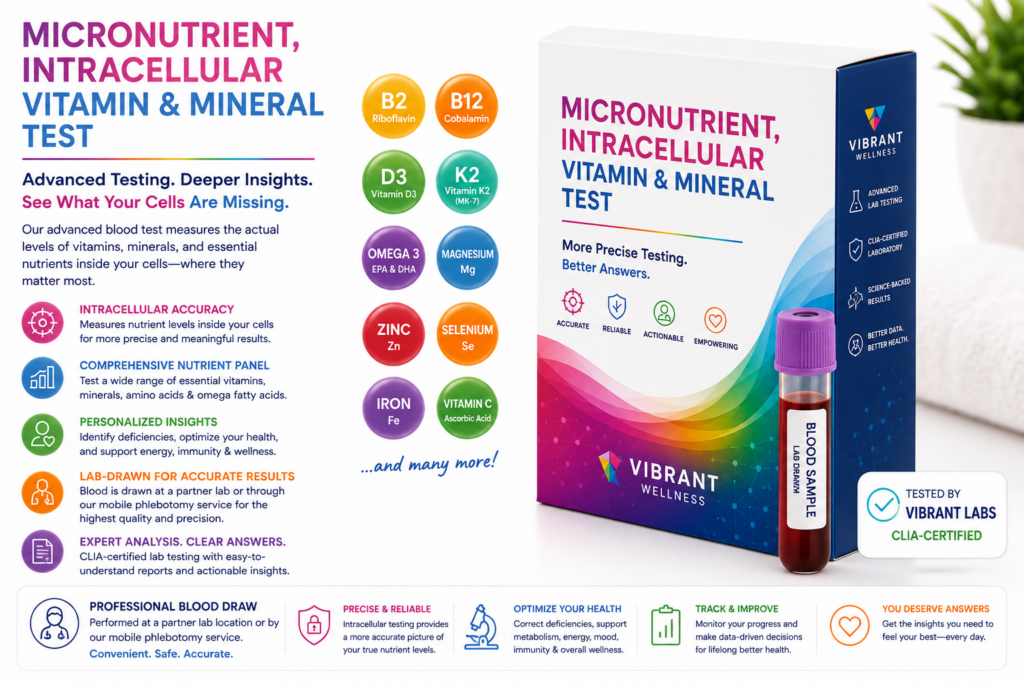
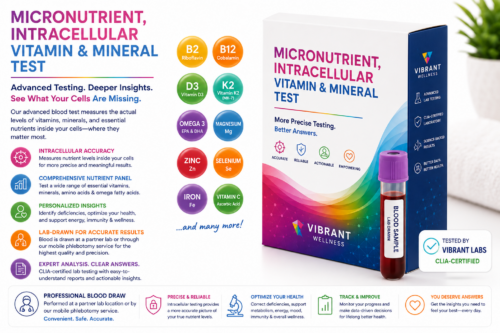
Our Micronutrient Test evaluates cellular levels of vitamins, minerals, amino acids, antioxidants, and other key nutrients that may influence hair health, energy production, metabolism, and overall wellness.
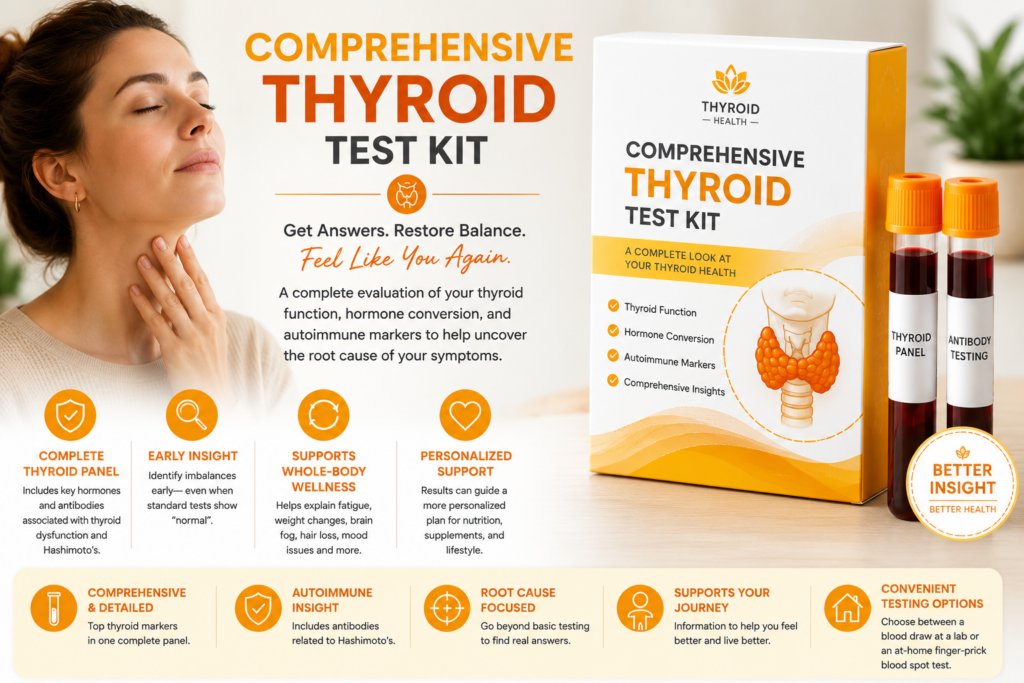
For women looking for a broader picture, our Comprehensive Metabolic Blood Test may also provide valuable information about thyroid function, inflammation, cardiac health, and other factors commonly associated with hair thinning and hair loss.
Because when it comes to your hair, the best place to start is understanding what your body may be trying to tell you.